Storm-Damaged Chimneys: What Homeowners Should Check After Severe Weather
How to Identify Chimney Damage After a Severe Storm
After severe weather, check for displaced bricks, open mortar joints, missing masonry, and new water stains around your chimney. These changes can indicate damage that needs repair, even when most of the structure still looks intact.
Keep your initial check on the ground and wait until conditions are safe. If the chimney appears unstable, keep clear of the surrounding area. Leave the fireplace unused when you suspect damage until the chimney has been professionally evaluated.
Visible Signs of Storm-Damaged Chimney Masonry
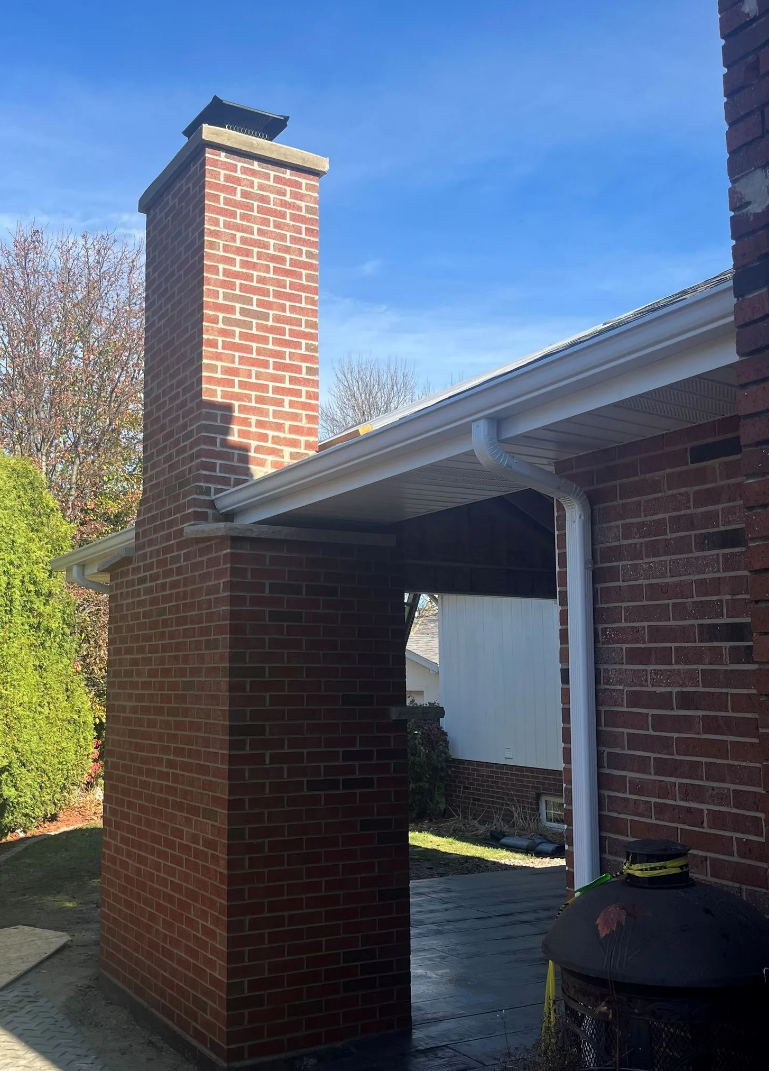
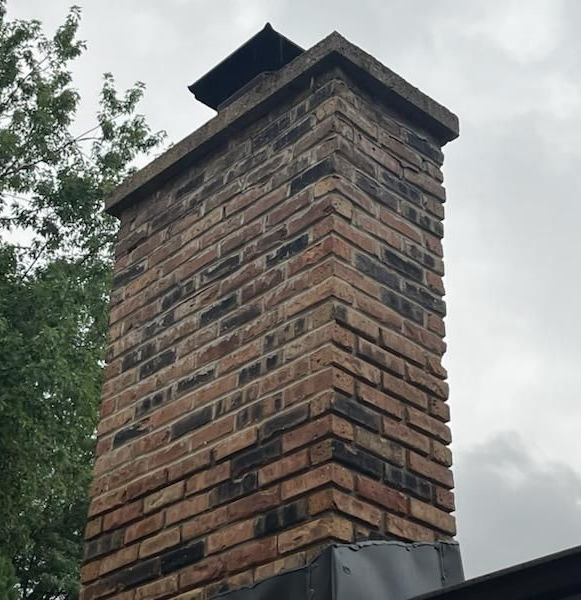
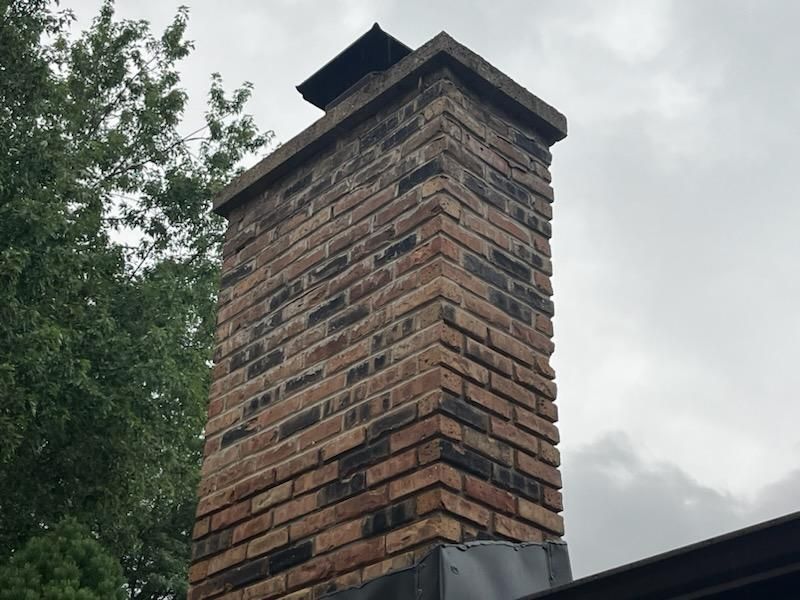
Broken or displaced masonry is one of the clearest reasons to have your chimney checked after a storm. Look at the chimney’s overall shape first, then use binoculars or your phone’s zoom to examine what you can see of the brickwork and top.
Signs worth noting include:
- Bricks that appear loose, shifted, or missing.
- Fresh gaps between bricks or along mortar joints.
- Pieces of brick or mortar on the ground.
- A chimney section that appears uneven or out of alignment.
- Visible damage around the crown at the top of the masonry.
The pattern matters as much as the individual defect. One damaged brick surrounded by sound masonry presents a different repair question from a section where several courses have shifted. A crack running through bricks also deserves a different assessment than shallow deterioration confined to the mortar joints.
Compare what you see with older photographs if you have them. A storm may cause new damage or make existing deterioration more noticeable. You do not need to determine the cause yourself, but noting what changed helps the mason understand the problem. Photograph visible damage from a safe location before cleanup begins.
Chimney Leaks After Severe Weather
New water stains, damp masonry, or moisture inside the fireplace can indicate a leak through or around the chimney. Sometimes water is the first noticeable sign of a problem because the damaged area is too high or too small to see from the yard.
Several parts of the chimney help manage rainwater. The crown protects the top of the masonry, the cap covers the flue opening, and flashing seals the junction between the chimney and roof. Cracked masonry and deteriorated mortar joints can also provide paths for moisture.
Finding the entry point is essential before deciding on a repair. Water may travel before it appears on an interior wall or ceiling, so a stain does not necessarily sit directly beneath the defect. Repainting that area will not resolve the source.
Note when the moisture appeared and photograph it while visible. Mention whether the leak started suddenly or whether a familiar stain became worse after the storm. That history helps distinguish a new concern from an ongoing water problem that now needs more extensive attention.
Does Your Chimney Need Tuckpointing or Rebuilding?
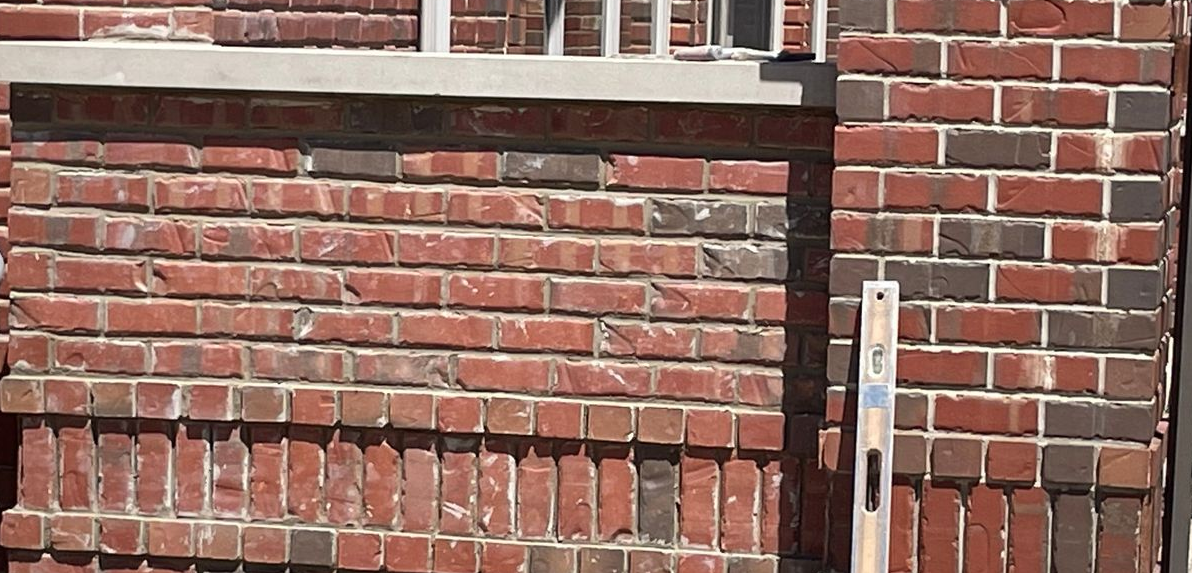
Tuckpointing may be appropriate when the damage is concentrated in mortar joints and the surrounding bricks remain sound and properly positioned. The work involves removing deteriorated mortar and replacing it with compatible material to restore the joints. It does not correct a chimney section that has shifted or become unstable.
Individual brick replacement may be needed where units are cracked, broken, or missing. In a localized repair, damaged bricks can be removed and replaced while preserving the sound masonry around them. The condition of the surrounding joints helps determine how much work is necessary.
Rebuilding becomes a consideration when damage affects the integrity of a larger section. Displaced courses, significant movement, or widespread deterioration may require taking down and reconstructing the affected portion. That does not automatically mean the entire chimney needs replacement. The repair scope should follow the actual condition of the structure.
A useful estimate should explain what is damaged, which areas can remain, and why the recommended repair is appropriate. Ask whether the work addresses mortar alone, includes brick replacement, or involves rebuilding. You should also understand how any identified water-entry problem will be addressed so the project resolves more than the visible surface damage.
Restoring the Chimney’s Strength & Appearance
A well-planned chimney repair should restore sound masonry while fitting the character of your home. That starts with choosing repair materials suited to the existing construction and making sure the remaining brickwork provides a sound base for the work.
Mortar selection involves more than finding a similar color. The replacement material needs to be compatible with the existing masonry, while the joint profile and texture influence how the finished repair looks. Brick replacement also calls for attention to size, color, surface texture, and placement.
For a prominent chimney, these details affect the appearance of the entire roofline. A repaired section should feel connected to the original structure rather than look like an unrelated patch. Where an exact brick match is unavailable, discussing the options before work begins helps establish realistic expectations.
The estimate is also the time to clarify the full scope: masonry repairs, any crown or cap work, cleanup, and concerns requiring another trade. Keep photographs and written findings together if you plan to contact your insurer. Custom Brick & Stone offers insurance claim assistance to help with that process, while coverage decisions remain with your insurance company.
Get a Chimney Repair Estimate in Chicagoland, NW Indiana & SW Michigan
Custom Brick & Stone brings more than 20 years of masonry experience to chimney repair across Chicagoland, Northwest Indiana, and Southwest Michigan, including Munster, Schererville, New Buffalo, and Frankfort. Our licensed and insured team handles tuckpointing, brick repair, crown and cap work, and chimney rebuilding, with a supervisor on every jobsite. Contact us for a free estimate to discuss the damage and a repair approach that respects your home’s existing masonry.