Signs Your Frankfort Home Needs Tuckpointing Before Winter
When Should You Schedule Tuckpointing in Frankfort, IL?
Tuckpointing repairs deteriorated mortar joints before water and freezing temperatures cause more extensive masonry damage. If the mortar around your home is cracked, crumbling, or pulling away from the brick, scheduling an evaluation before winter can help protect the structure.
Frankfort homes experience repeated exposure to rain, snow, ice, and seasonal temperature changes. Mortar often shows wear before the bricks themselves begin to fail, making those joints an important early warning system. Recognizing the following signs gives you an opportunity to address vulnerable masonry before another winter makes the damage worse.
Cracked, Crumbling, & Missing Mortar
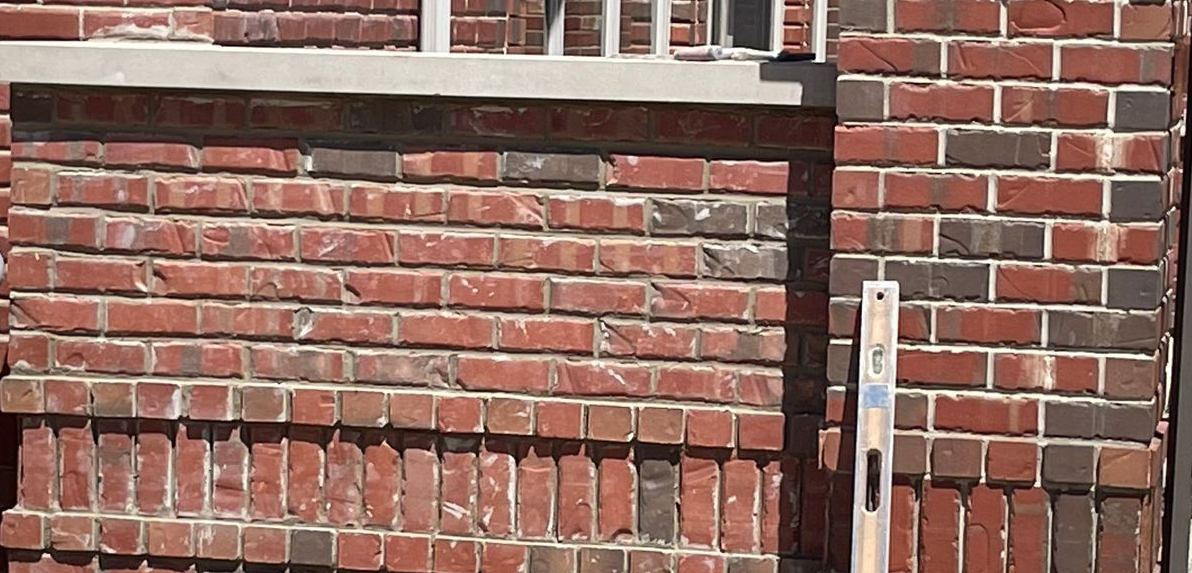
Visible mortar damage is the clearest sign that your home may need tuckpointing. Healthy joints should remain solid and consistently filled around the brick. Cracks, loose sections, or areas where the mortar has fallen out leave openings that allow moisture to enter.
Some deterioration begins as thin surface cracks that are easy to overlook. Others become wide enough that pieces of mortar break away when touched. Even small openings can spread as water freezes and expands within the joint.
Professional tuckpointing removes the weakened material and replaces it with compatible new mortar. This restores the connection between the bricks while closing off vulnerable areas.
Recessed Joints & Loose Brick
Mortar joints can deteriorate without completely falling apart. In some cases, the mortar gradually erodes and sits noticeably behind the face of the brick. These recessed joints can collect water and leave the edges of surrounding bricks more exposed.
Loose or shifting bricks are another warning that the joints are no longer providing dependable support. Tuckpointing may be enough when the bricks remain in good condition and the deterioration is concentrated in the mortar. Damaged, spalling, or badly cracked bricks may also need to be replaced as part of a broader masonry repair project.
An assessment helps determine whether the problem is localized or affects a larger section of the wall.
Moisture Stains & Interior Leaks
Water stains near a masonry wall or fireplace may indicate that moisture is passing through deteriorated joints. You might also notice dampness, peeling finishes, musty odors, or white mineral deposits on the brick.
White deposits, commonly called efflorescence, appear when moisture moves through masonry and leaves mineral residue behind. The residue itself can often be cleaned, but its presence may point to an underlying moisture path that deserves attention.
Tuckpointing can help when failed mortar joints are allowing water into the masonry. If the moisture comes from damaged flashing, drainage problems, or another source, that issue will also need to be corrected for the repair to provide lasting protection.
Chimney Mortar Deterioration
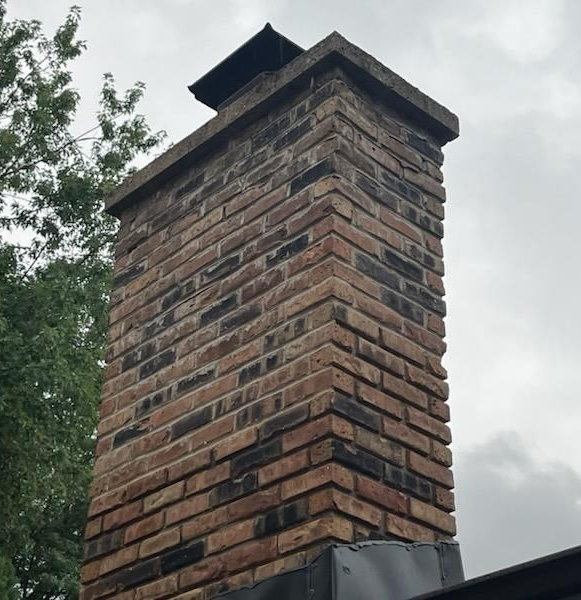
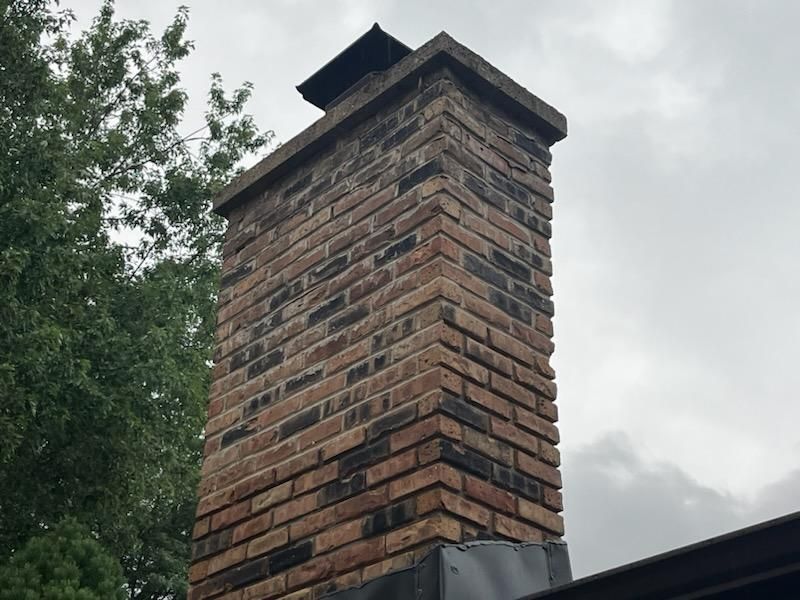
Chimneys are especially vulnerable because they stand above the roofline and receive direct exposure to rain, snow, wind, and temperature changes. Cracked joints, missing mortar, or loose bricks near the top of the chimney should be evaluated before winter weather increases that exposure.
Mortar failure can also appear alongside a cracked crown, damaged cap, or signs of leaking. In that situation, tuckpointing may be one part of a larger chimney repair plan. Correctly identifying each source of damage helps prevent a surface repair from overlooking a more serious problem.
Watch the roofline and the ground below the chimney for fallen mortar or brick fragments. These pieces can be an early indication that deterioration is progressing in an area that is difficult to inspect from below.
Why Tuckpointing Matters Before Winter
Winter does not create every mortar problem, but freezing weather can accelerate existing damage. Water enters cracks and gaps during wet conditions. When temperatures fall, that trapped moisture can freeze, expand, and place additional pressure on the surrounding joints and brick.
Repairing vulnerable mortar before repeated freeze-thaw cycles gives the masonry better protection through the colder months. It can also reduce the likelihood that localized deterioration will spread into damaged bricks or larger unstable sections.
Tuckpointing should be completed under suitable weather conditions so the new mortar can cure correctly. An early evaluation gives your masonry contractor time to assess the work and plan the repair around the weather.
Get a Free Tuckpointing Estimate Before Winter in Frankfort & the Chicagoland Area
Custom Brick & Stone provides professional tuckpointing in Frankfort, IL, backed by more than 20 years of masonry experience. Our licensed and insured masons carefully remove deteriorated material, match the replacement mortar to the existing masonry, and finish the joints for a clean appearance.
If your home is showing signs of mortar deterioration, contact Custom Brick & Stone for an assessment. We will explain what the masonry needs and provide a free estimate for your tuckpointing project.