TUCKPOINTING IN FRANKFORT, IL
Serving Chicagoland & NW Indiana for Over 20 Years!
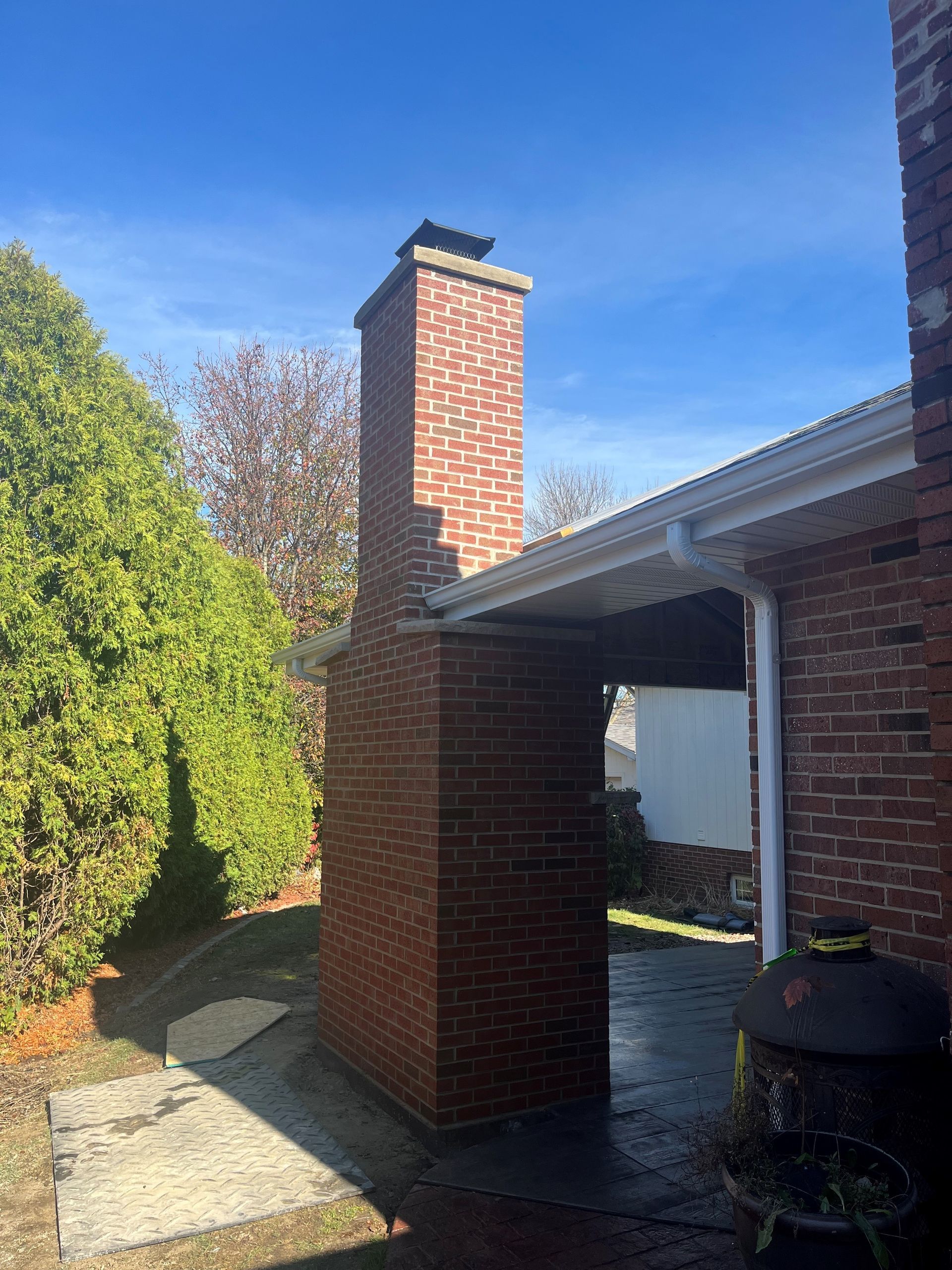
Expert Tuck Pointers in Frankfort, Serving All of Chicagoland for Over 20 Years!
Need tuckpointing in Frankfort or anywhere in the Chicagoland & NWI area? Custom Brick & Stone has experienced tuck pointers who can fix any brick or stone structure! Tuckpointing is a technique used in masonry to repair and restore the mortar joints between bricks or stone. Over time, the mortar between the masonry units can deteriorate due to weathering, age, or other factors, leading to cracks, gaps, or crumbling mortar.
Tuckpointing involves removing the damaged or deteriorated mortar from the joints and replacing it with new mortar. We have plenty of experience with repairing brick and mortar joints in homes and commercial buildings.
Benefits of Tuckpointing
Tuckpointing not only restores the structural integrity of the mortar joints but also enhances the overall appearance of the masonry. By matching the color and texture of the existing mortar, tuckpointing can create a seamless and visually pleasing result. It is commonly employed in the maintenance and preservation of brickwork, stone walls, chimneys, and other masonry structures.
Ready for tuckpointing services? Click here to contact us today!

Tuckpointing FAQS
What Is Tuckpointing and Why Is It Important?
Tuckpointing is the process of removing deteriorated mortar from between bricks or stones and replacing it with fresh, properly matched mortar. This restores the structural integrity of the wall and protects your home from moisture damage. When mortar breaks down, water can seep into the masonry, freeze during winter, and cause bricks to crack, shift, or spall. Tuckpointing stops this cycle, extends the life of your masonry, and improves the overall appearance of your home or chimney.
How Do I Know If My Home Needs Tuckpointing?
You may need tuckpointing if you notice crumbling mortar, gaps between bricks, loose or wiggling bricks, or visible cracks in the joints. Other warning signs include water stains inside the home, chimney leaks, or mortar that easily flakes away when touched. In older Chicagoland homes, mortar naturally weakens over time due to harsh winters and freeze‑thaw cycles, so even small signs of deterioration should be inspected before they turn into larger structural issues.
How Long Does Tuckpointing Last?
High‑quality tuckpointing performed with the right mortar mix and proper joint preparation can last 20–30 years or more. However, longevity depends on factors like weather exposure, the age of the brick, and how well the masonry is maintained. In the Chicago area, where masonry endures heavy snow, ice, and temperature swings, joints may require attention sooner. Regular inspections every few years help catch early signs of wear and extend the lifespan of your brickwork.
Can Tuckpointing Stop Water Leaks in My Brick or Chimney?
Yes. Tuckpointing is one of the most effective ways to stop water from entering through damaged mortar joints. By removing loose or cracked mortar and sealing the joints with fresh material, you eliminate the pathways where water typically seeps in. For chimneys, tuckpointing is often combined with other protective measures such as chimney flashing repair, waterproofing, or installing a chimney cap to ensure a complete, long‑term solution to moisture problems.
What Happens If I Delay Tuckpointing Repairs?
Delaying tuckpointing allows moisture to continue penetrating weakened mortar joints, which can lead to far more serious and expensive problems. Over time, water intrusion can cause bricks to crack, shift, or completely detach from the wall. In winter, freeze‑thaw cycles accelerate deterioration and may lead to interior leaks, structural instability, or the need for full brick replacement instead of simple joint repair. Addressing mortar damage early keeps your masonry strong, prevents safety hazards, and saves you from major restoration costs down the road.
Will New Mortar Match the Color of My Existing Brickwork?
A skilled mason can closely match your existing mortar by adjusting the sand, pigment, and mix to blend seamlessly with your home’s original masonry. Matching mortar isn’t just about color. It also involves matching texture, hardness, and joint style so the repair looks natural and performs correctly. When done properly, the new joints will blend in so well that the repair is virtually unnoticeable.
How Much Does Tuckpointing Cost?
Tuckpointing costs vary depending on the size of the area being repaired, the height or accessibility of the structure, and how severely the mortar has deteriorated. Small spot repairs may cost a few hundred dollars, while full‑wall, chimney, or multi‑story projects can cost more. Because every home is different, the most accurate way to determine cost is through an on‑site evaluation, where a mason can assess the damage and provide a detailed estimate.
Can Tuckpointing Prevent Future Structural Damage?
Absolutely. Tuckpointing reinforces weakened mortar joints, which helps keep bricks securely in place and prevents water from penetrating the wall. By stopping moisture intrusion, you reduce the risk of cracking, shifting, spalling, and interior water damage. Regular tuckpointing is one of the most effective ways to preserve the long-term strength and stability of your brick or stone structure.

RESIDENTIAL & COMMERCIAL
20+ YEARS OF EXPERIENCE
LICENSED & INSURED
SUPERVISOR ON EVERY JOBSITE