How Custom Outdoor Living Spaces Are Built to Handle Midwest Weather
Outdoor Living Spaces Built to Withstand Midwest Weather
Custom outdoor living spaces in the Midwest face unique challenges: wide temperature swings, heavy snowfall, strong winds, and intense summer storms. A well-designed, professionally built outdoor area balances aesthetic goals with engineering decisions that prioritize longevity and year-round usability. From material selection to site grading and structural reinforcement, every decision is made to ensure the space performs through freeze–thaw cycles, heavy precipitation, and high winds while preserving the homeowner’s investment and comfort.
What Structural Strategies Improve Build Quality for Midwest Weather?
Foundations and framing for decks, pergolas, and outdoor rooms are engineered to resist seasonal movement and moisture. Builders use reinforced footings below the frost line, pressure-treated or decay-resistant framing, and corrosion-resistant fasteners to minimize settling and rot. Structural members are sized for local wind and snow loads and often include additional bracing or steel connectors at high-stress junctions. Proper anchoring to the house and independently supported sections reduce the transfer of structural loads and help prevent long-term alignment issues caused by freeze–thaw cycles.
How Do Materials and Finishes Enhance Durability and Design?
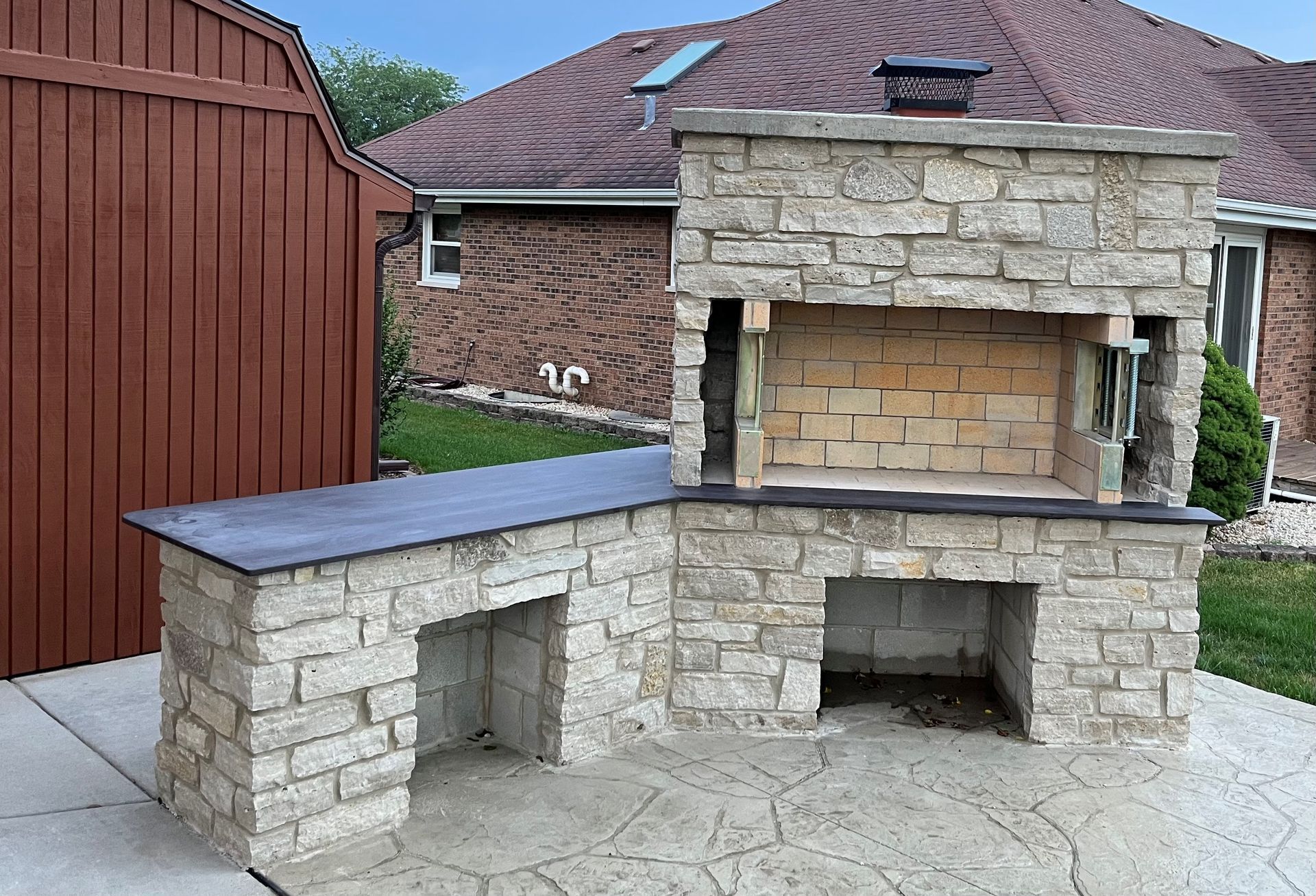
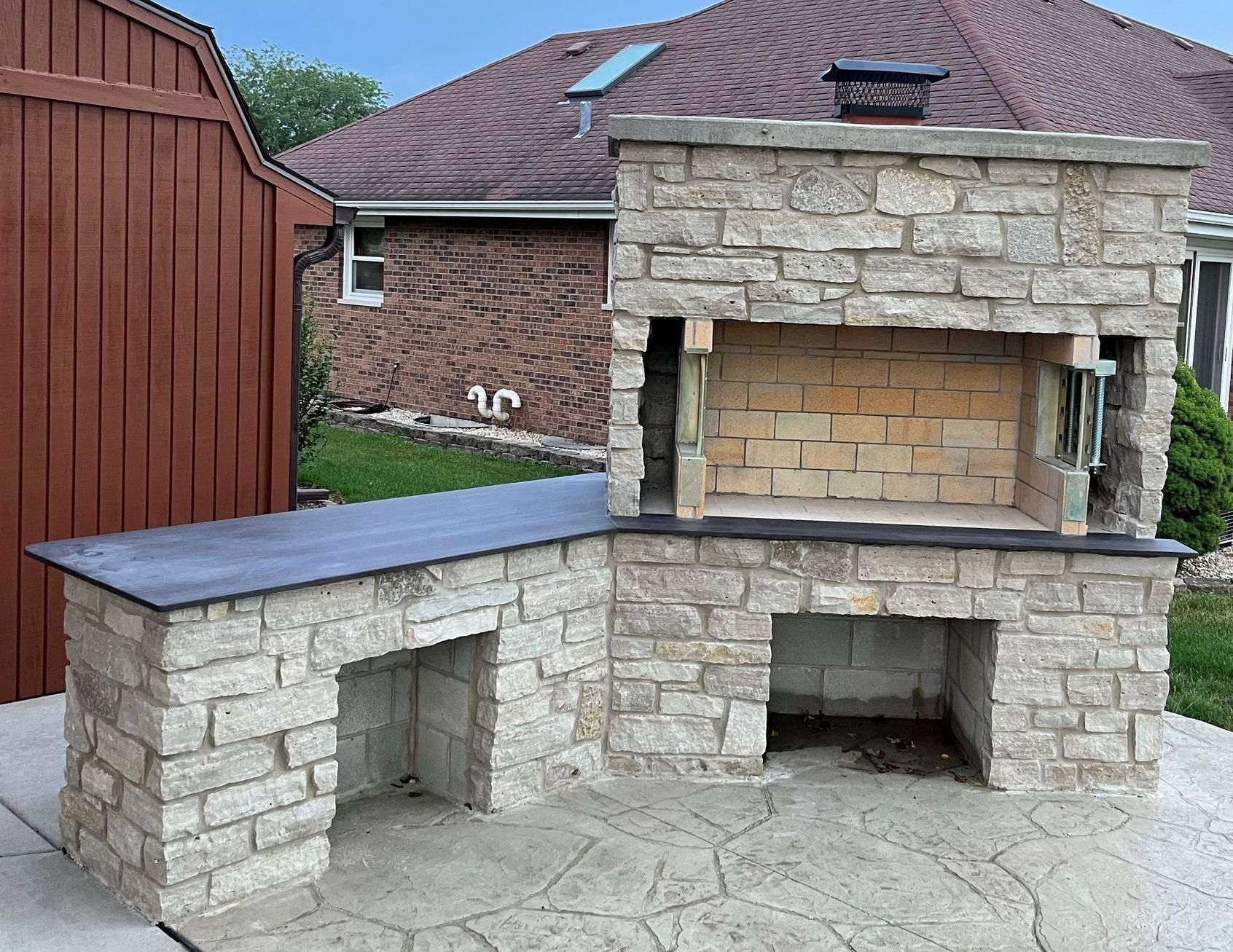
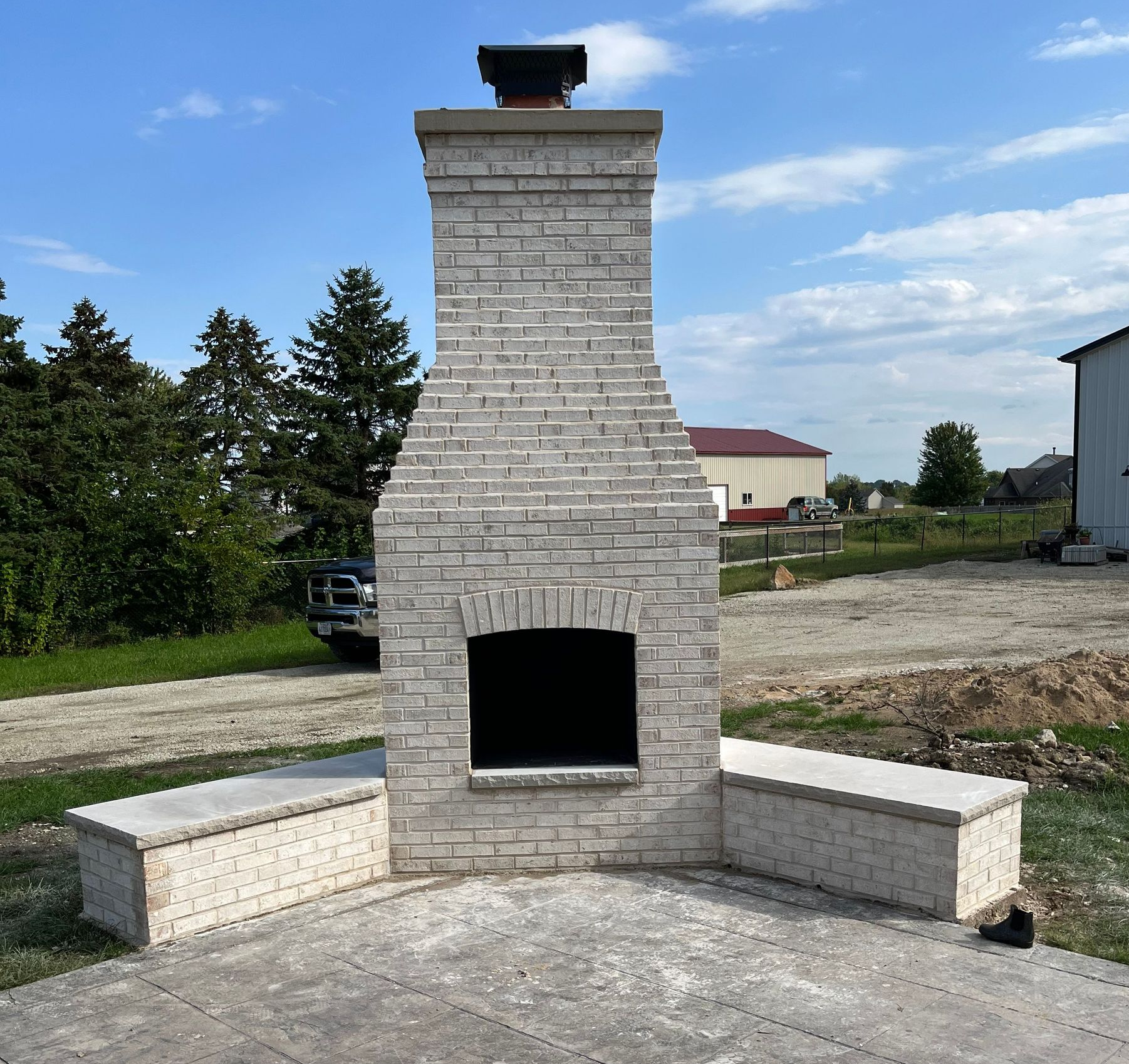
Selecting the right materials is both a durability and design choice. Composite decking and capped boards resist moisture uptake and staining, while select hardwoods and thermally modified woods offer natural beauty with improved stability. Masonry patios and stonework employ flexible jointing systems and impervious sealers to manage water infiltration and salt exposure. Finishes such as powder-coated metals, marine-grade fabrics, and UV-stable stains protect surfaces from corrosion, fading, and degradation, preserving visual appeal and reducing maintenance over time.
What Site and Rainwater Management Features Prevent Damage?
Effective grading, integrated drainage, and water-dispersal systems are critical for longevity. Landscaped swales, French drains, and permeable paving channel runoff away from foundations and reduce erosion. Proper slope and base compaction beneath hardscape prevent heaving during freeze–thaw events. Roof overhangs, gutter systems, and strategically placed downspouts protect outdoor living components and adjacent structures from concentrated water exposure, helping prevent mold, mildew, and foundation issues.
What Design Features Improve Year-Round Comfort and Functionality?
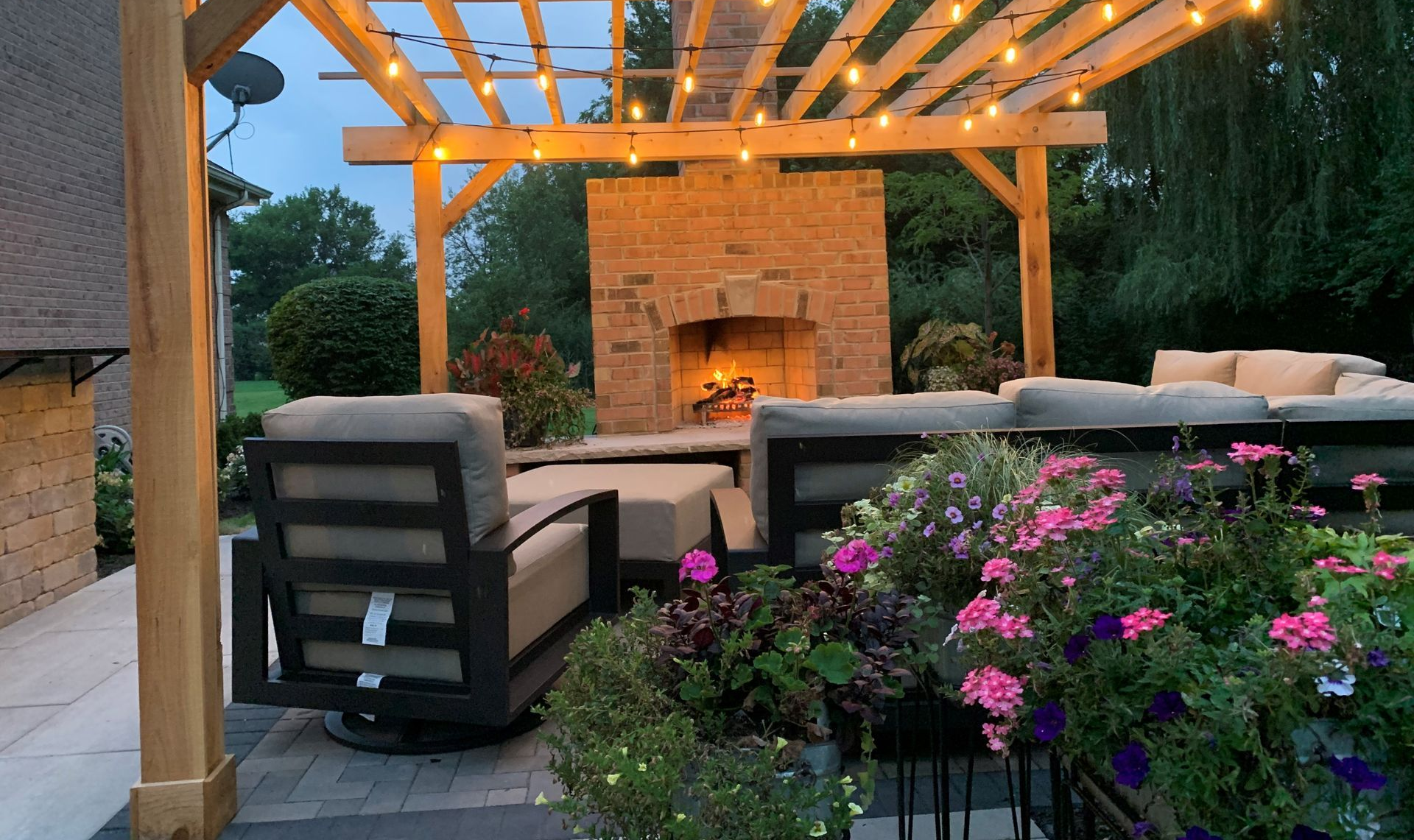
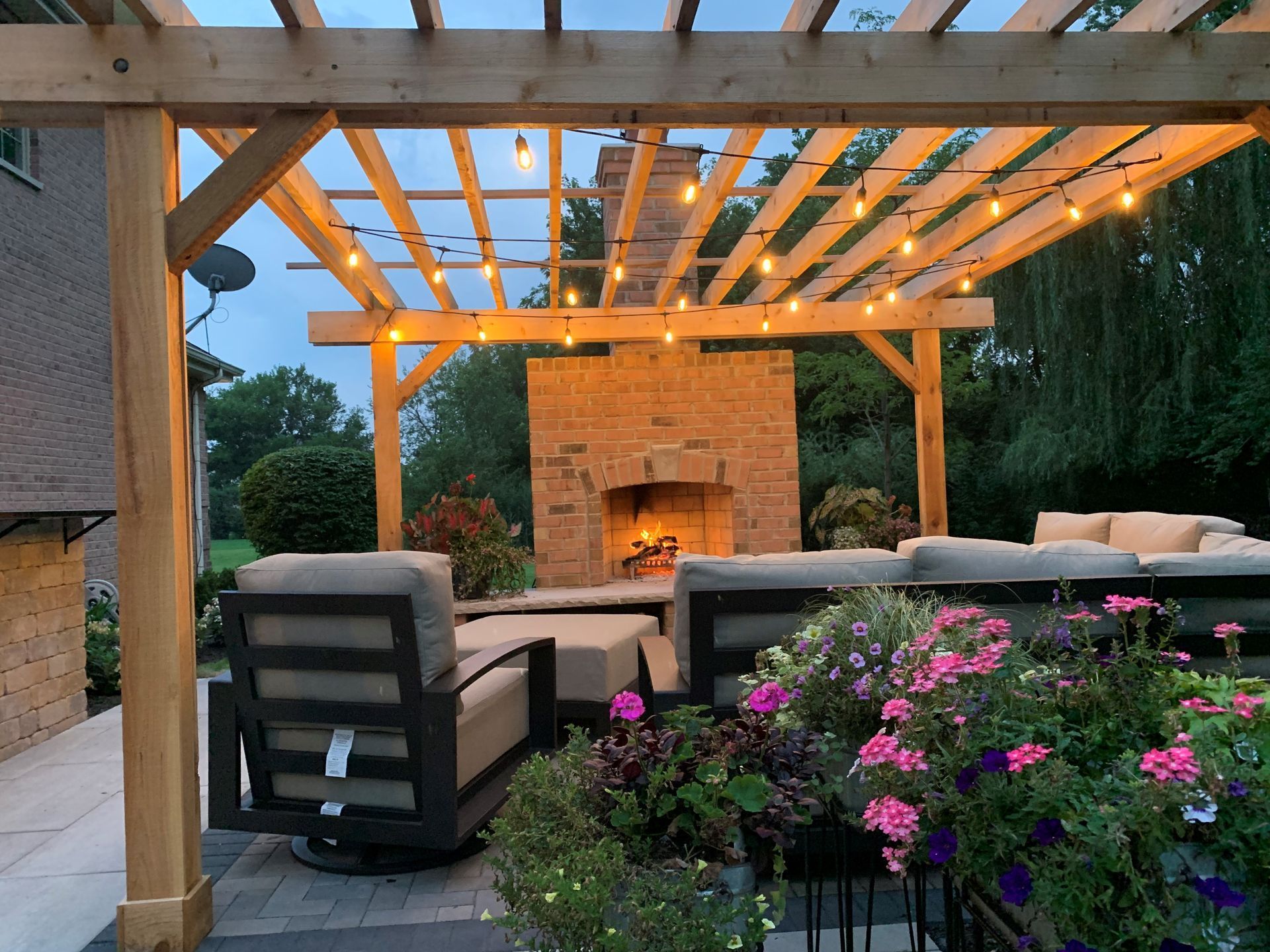
Thoughtful features extend usability across seasons: insulated outdoor kitchens and covered dining areas enable winter gatherings, while motorized screens and adjustable louvers provide shade and airflow in summer. Enclosed or semi-enclosed living rooms with efficient outdoor-rated heaters, fireplaces, or radiant floors create comfortable cold-weather environments. Lighting and electrical systems are specified for moisture resistance and safe operation in freeze-prone climates.
Key Build and Design Considerations for Midwest Longevity:
- Durable Foundations: Footings set below the frost line and compacted subgrades to prevent frost heave and settling.
- Corrosion-Resistant Hardware: Stainless steel, galvanized, or coated connectors for longevity in wet and deicing salt conditions.
- Freeze-Thaw-Resistant Materials: Dense pavers, sealed natural stone, and engineered composites to minimize cracking and spalling.
- Integrated Drainage: Permeable surfaces, French drains, and proper grading to manage heavy rainfall and melting snow.
- Thermal Movement Accommodation: Expansion joints and flexible adhesives in masonry and decking to withstand seasonal movement.
- Wind Mitigation: Anchoring, cross-bracing, and aerodynamic roof elements to resist strong gusts common in open Midwest landscapes.
- Moisture-Controlled Lighting and Electrical: Weatherproof fixtures, GFCI protection, and conduit routing above splash zones.
- Low-Maintenance Surface Treatments: UV-stable coatings and stain-resistant fabrics to reduce upkeep and prolong aesthetics.
- Landscape Hardiness Planning: Native plant selections and root barriers to prevent frost heave and protect hardscape integrity.
How Does Professional Planning Protect Investment and Performance?
A custom outdoor space in the Midwest performs best when architects, structural engineers, and experienced builders collaborate from concept to completion. Site-specific assessments inform material selection, structural requirements, and drainage solutions tailored to local soil, microclimate, and code requirements. This collaboration yields spaces that not only look beautiful but also withstand extremes, maintain safety, and require fewer costly repairs over time, delivering long-term value and year-round enjoyment.
Is Your Home Ready for a Custom Outdoor Living Space in Chicagoland, Northwest Indiana, or Southwest Michigan?
If you are considering turning your yard into a solid outdoor living space in New Buffalo, MI; New Lenox or Hinsdale, IL; or Schererville, IN, contact us at Custom Brick & Stone. We have more than 20 years of experience creating comfortable and beautiful outdoor living spaces for residents in Chicagoland, Northwest Indiana, and Southwest Michigan. Custom Brick & Stone is the premier masonry and outdoor living space designer in the tri-state area.